Blackbirds are common in gardens, green areas, terraces, vegetable patches and fruit trees. In many cases they are not a pest as such, but they can become annoying when they disturb soil in pots and planters, eat ripe fruit, damage small plants or collide with windows and glass doors.
To repel blackbirds, use non-harmful measures that match the scale of the problem: visual deterrents, reflective tape, wind spinners, owl or predator silhouettes, localised plant protection and, in specific cases, support products such as solar sound devices, bioacoustic sound or multi-species acoustic equipment. To compare this species with similar birds, see Bird Species.
Which solution to choose for blackbirds
| Problem |
Recommended solution |
Comment |
| Blackbirds in gardens, plants, pots or planters |
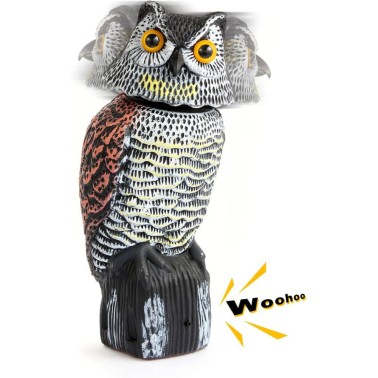
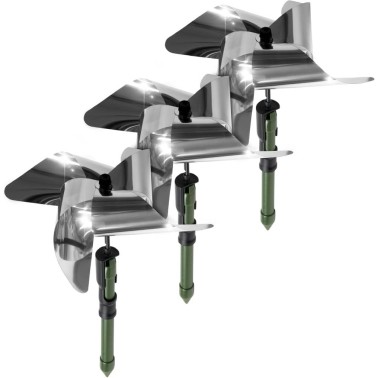
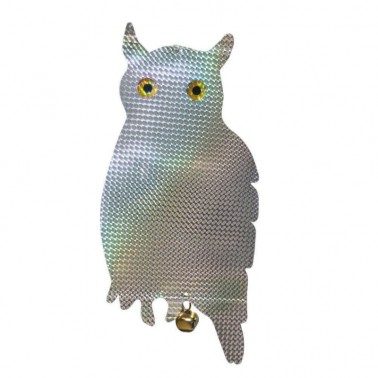
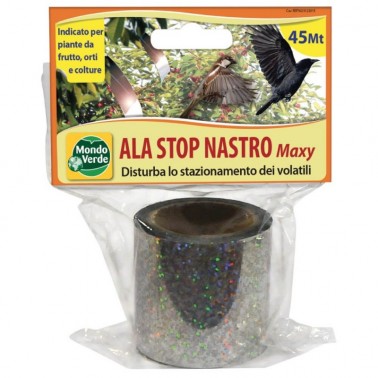
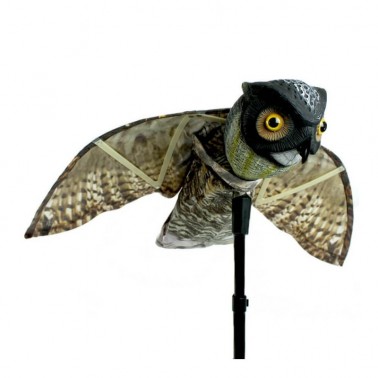
Bird Blinder Reflective Hanging Owl, Bird-Scare Wind Spinners or Holographic Bird Tape |
Local visual solutions for small areas where blackbirds dig soil or look for food. |
| Blackbirds eating cherries, strawberries, berries or ripe fruit |
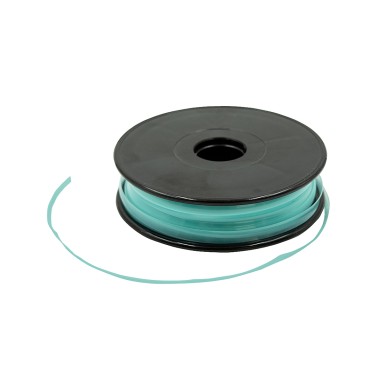
Bird Tape - EcoBirdNex or Holographic Bird Tape |
Reflective tapes help protect fruit trees, small gardens and food zones. |
| Large gardens, vegetable patches or open areas |
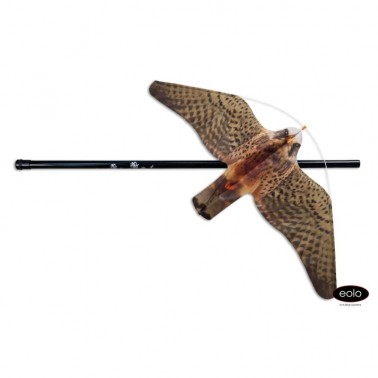
Hawk ScareCrow - Eolo, Prowler Owl or Eagle Scarecrow |
Moving or visible predator deterrents work better in open, visible spaces. |
| Terraces, balconies or specific points |
Scarecrow Owl - Rotating Head and Sounds or Bird-Scare Wind Spinners |
Simple options for movement, reflections or stimulus in small zones. |
| Blackbirds colliding with glass or windows |
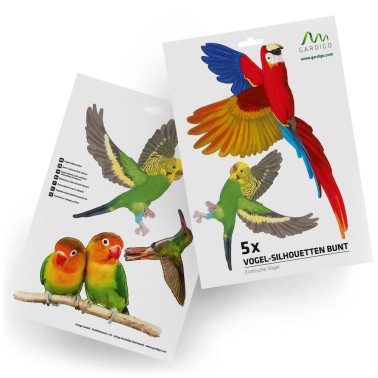
Window Decals for Birds |
Here the goal is not sound deterrence, but making the glass visible. |
| Automatic support in a specific zone |
Solar Sonic Bird Repeller - WK0109 |
Can support gardens, terraces or small vegetable patches, but it is not the main solution for most blackbird cases. |
| Persistent problem with blackbirds and other birds mixed together |
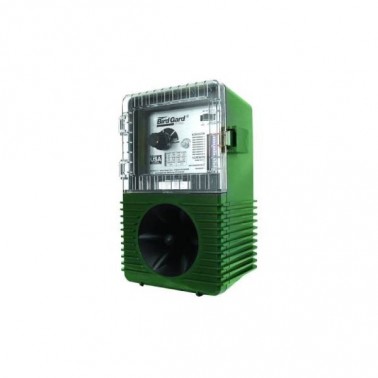
Bird Gard Pro or Bird Sound Repeller MultiSound BS-20L - Pigeons and Seagulls (Multi-Bird & Seagull Special Versions) |
Secondary option when the issue is not one isolated blackbird, but several recurring birds in fruit trees or small crops. |
Why blackbirds come to the garden
Blackbirds visit gardens, terraces, pots and green areas because they find food, water and shelter. They look for worms, insects, ripe fruit, berries and soft soil where they can dig.
Before installing any deterrent, observe what they are doing: digging soil, eating fruit, perching at the same point or colliding with glass. The right solution changes a lot depending on the case.
How to scare blackbirds from plants, pots and planters
When blackbirds disturb soil in pots, planters or flowerbeds, they are usually searching for food. In these cases, use localised visual solutions rather than high-coverage equipment.
The Bird Blinder Reflective Hanging Owl, Bird-Scare Wind Spinners and Holographic Bird Tape can create movement, flashes and visual changes around the affected point.
In small gardens, avoid oversizing the solution. One blackbird in a pot does not need the same approach as a flock in a crop.
How to prevent blackbirds from eating fruit
Blackbirds may eat cherries, strawberries, berries, grapes, figs or other fruit when it is ripe or close to ripening. In small trees, domestic gardens and fruit trees, visual and reflective solutions are usually the first choice.
For this use, install Bird Tape - EcoBirdNex or Holographic Bird Tape where it is visible and can move. In more open gardens, Hawk ScareCrow - Eolo can reinforce protection.
Visual deterrents for blackbirds
Visual bird repellers are the best fit for most blackbird problems in gardens, terraces, small vegetable patches and fruit trees. The goal is to protect the points where the bird enters, digs, perches or feeds.
You can also compare more options in Visual Bird Repellers.
WK0109 for blackbirds: when it makes sense
The Solar Sonic Bird Repeller - WK0109 can be used as support in gardens, terraces or small vegetable patches. It combines raptor sounds, LED flash, motion sensor and solar power.
For blackbirds, however, it is usually not the first solution. Many cases are very local: one pot, a grass area, a small fruit tree or a planter. Start with visual, reflective or direct protection measures.
Sound systems only for more persistent cases
The Bird Gard Pro and Bird Sound Repeller MultiSound BS-20L - Pigeons and Seagulls (Multi-Bird & Seagull Special Versions) are not the first recommendation for one blackbird in a garden, pot or terrace.
They may make sense when the issue is more persistent, affects fruit trees or small crops, or when several species are mixed together, such as thrushes, starlings or other birds. If the main problem is thrushes or starlings, see Repel Starlings.
Blackbirds colliding with glass
If blackbirds or small birds collide with windows, the solution should not focus on sound. The bird may not identify the glass as a barrier because it reflects trees, sky or vegetation.
Use Window Decals for Birds to make the surface visible. Place enough decals across the glass; one isolated silhouette may not be enough on a large reflective window.
Differences between blackbirds, thrushes and starlings
- Blackbirds: usually appear in gardens, green areas, pots, small vegetable patches and fruit trees. The issue is normally localised.
- Thrushes: are more often linked to fruit trees, vineyards and crops.
- Starlings: often form larger flocks and roosts, creating problems in crops, warehouses or facilities.
For blackbirds, choose more local and visual solutions. For thrushes and starlings, a more specific acoustic approach may be needed.
Traps and poison for blackbirds: what to avoid
We do not recommend traps or poison. Poison is dangerous, non-selective and may affect other birds, pets, wildlife and people. Traps should not be treated as a standard solution for a domestic blackbird problem.
The responsible approach is non-harmful deterrence, localised protection for plants and fruit, reducing attractants and using support products only when the scale of the problem justifies it.
What to do before installing a blackbird deterrent
- Observe what they do: digging in pots, eating fruit or colliding with glass require different solutions.
- Find the exact point: tree, planter, terrace, vegetable patch, window or grass area.
- Reduce attractants: remove fallen fruit, food scraps or easy feeding points.
- Protect sensitive plants: especially strawberries, berries, young shoots and newly planted pots.
- Combine stimuli: reflections, movement and changes of position reduce habituation.
- Do not oversize: blackbirds usually do not need a solution designed for large areas.
Related guides about blackbirds and similar birds
Frequently asked questions about repelling blackbirds
How do I repel blackbirds from the garden?
Start with visual and reflective solutions such as bird tape, reflective owls, wind spinners or predator visuals. Remove fallen fruit and protect sensitive plants.
How do I stop blackbirds digging in pots?
Protect the soil and add visual elements near the affected point. Wind spinners, reflective tape or visual owls can make the area feel less safe.
How do I stop blackbirds eating fruit?
Use reflective tape and moving visual elements around ripe fruit, strawberries, cherries or berries. In small trees and domestic gardens, local protection is usually better than high-coverage equipment.
What scares blackbirds?
Movement, reflections, visual changes and simulated predators can scare blackbirds. That is why reflective tape, owls, hawks, eagles and wind spinners are commonly used.
Does a solar sound and light device help with blackbirds?
It can support small areas because it combines sound, LED flash and a motion sensor, but visual and localised protection measures should usually come first.
Do bioacoustic systems work against blackbirds?
They may be considered for persistent cases or when several species are mixed in fruit trees or small crops. They are not the first option for one blackbird in a pot, garden or terrace.
What is the difference between blackbirds, thrushes and starlings?
Blackbirds usually appear in gardens and pots. Thrushes are more linked to fruit trees and crops. Starlings often form larger flocks and roosts.
Why do blackbirds collide with glass?
Glass can reflect trees, sky or vegetation and may look like an open path. Anti-collision decals make the surface visible.
Are traps recommended for blackbirds?
No. For gardens, terraces or pots, use non-harmful deterrence and protect the points where birds find food or shelter.
Can poison be used for blackbirds?
No. Poison is dangerous, non-selective and may affect other birds, pets, wildlife and people. Use non-harmful solutions.
Solutions for repelling blackbirds at BirdGard Iberia
At BirdGard Iberia you will find proportionate, non-harmful solutions for blackbirds in gardens, plants, pots, terraces, small fruit trees and glass areas: reflective tapes, wind spinners, owls, visual hawks, anti-collision decals and support products for specific cases. If you are unsure which option fits your case, contact us and we will advise you free of charge.


 17 reviews