Bee-eaters, especially the European bee-eater or Merops apiaster, are insectivorous birds that may worry beekeepers when they gather near apiaries. Their presence can increase pressure on bees, especially at certain times of the year and in areas where they find food easily.
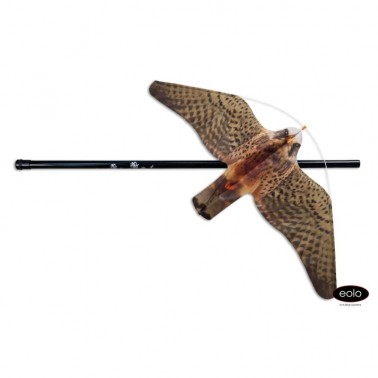
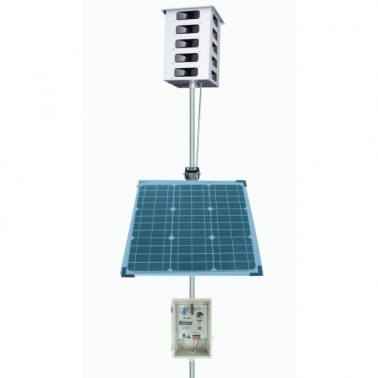
To repel bee-eaters from beehives, always use non-harmful and proportionate methods. In many apiaries, the most practical approach is to combine sound and visual stimuli: the Solar Sonic Bird Repeller - WK0109 as sound and light support, together with the Hawk ScareCrow - Eolo as preventive visual reinforcement.
Be realistic: these solutions can help deter birds and reduce pressure around the apiary, but they should not be presented as a definitive solution when bee-eater presence is already very high and feeding pressure is strong.
Which solution to choose for bee-eaters
| Situation |
Recommended solution |
Comment |
| Small or medium apiary with occasional bee-eater presence |
Solar Sonic Bird Repeller - WK0109 + Hawk ScareCrow - Eolo |
Proportionate combination for beekeepers looking for a preventive, deterrent measure without a high investment. |
| Apiary where prevention is needed before bee-eaters arrive |
Hawk ScareCrow - Eolo combined with sound stimuli |
The moving visual deterrent can help create a sense of risk, especially before birds consolidate the area. |
| Area with recurring bee-eater pressure |
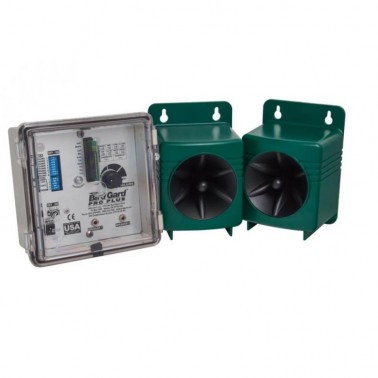
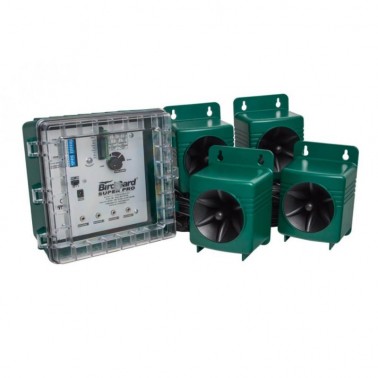
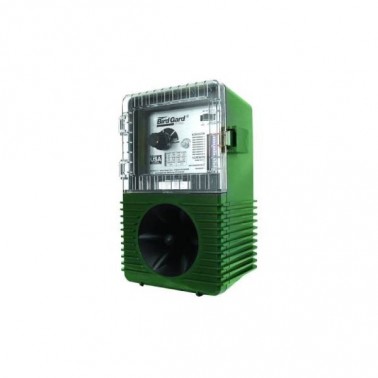
Bird Gard Pro |
More specific bioacoustic option for a persistent problem. |
| Apiary with several orientations or pressure points |
Bird Gard Pro Plus |
Can make sense when two sound emission points are needed or the apiary has several entry or flight zones. |
What is the European bee-eater?
The European bee-eater is a colourful migratory bird that feeds on insects caught in flight. Its prey can include bees, bumblebees, wasps and other flying insects. Its presence near apiaries can therefore concern beekeepers.
Bee-eaters and beehives: why beekeepers worry
The issue is not only that a bee-eater can catch bees in flight, but also the pressure it can create around the apiary. When several birds visit the same area, bees may reduce outside activity or be affected during entry and exit flights.
The intensity depends on bird numbers, season, availability of other insects, apiary location, nearby perches and ease of feeding. Some cases only need prevention; others require combining several measures.
WK0109 + Hawk ScareCrow - Eolo: a proportionate combination
The combination of Solar Sonic Bird Repeller - WK0109 with Hawk ScareCrow - Eolo can be interesting for beekeepers who want a proportionate, easy-to-install solution.
The solar device adds raptor sounds, LED flash, motion sensor and solar power. The moving hawk adds visual pressure and can make the apiary surroundings less comfortable, especially when installed preventively.
Hawk ScareCrow - Eolo as prevention, not a definitive fix
The Hawk ScareCrow - Eolo works best in a visible location, with room to move and before birds have consolidated the apiary as a feeding area. If bee-eaters are already very present, combine it with sound and other apiary management measures.
Bioacoustic support for persistent cases
Bird Gard Pro can be considered when bee-eater pressure is recurring and the beekeeper wants a more specific bioacoustic solution. Bird Gard Pro Plus can fit wider apiaries or cases with several clear entry, flight or pressure points.
These systems should be understood as part of a pressure-reduction strategy, not as a guarantee of total disappearance. To compare this type of solution, see Sonic Bird Repellers.
Protected bee-eaters: only non-harmful methods
The bee-eater is a protected wild species in many contexts. We do not recommend poison, capture, shooting or nest manipulation. If there are breeding colonies, burrows or doubts about regulations, consult the competent authority before acting.
Bee-eater nests: what to consider
Bee-eaters can nest in banks, earth cuts or sandy areas where they excavate galleries. If nests or a breeding colony are present, do not intervene directly. Deterrence should focus on protecting the apiary, not destroying or altering breeding sites.
Complementary measures for protecting the apiary
- Install measures preventively: deterrence is easier before bee-eaters get used to the area.
- Reduce nearby perches if possible: posts, branches or structures that birds use to watch the apiary.
- Place the visual deterrent where it is visible: it should be seen from approach routes.
- Aim sound stimuli correctly: towards the pressure area, not randomly.
- Watch bee activity: any measure should avoid unnecessary disturbance to hive operation.
- Consider physical measures when appropriate: mesh, shade, barriers or relocation adjustments may help in some cases.
What to avoid when deterring bee-eaters
- Do not use poison: it is dangerous, non-selective and may affect birds, bees, wildlife, pets and people.
- Do not capture or harm bee-eaters: use non-harmful methods.
- Do not manipulate nests: check regulations before any action near breeding sites.
- Do not rely only on a fixed visual object: birds can get used to stimuli that do not move or change.
- Do not promise total elimination: deterrence can reduce pressure, but strong feeding pressure may persist.
Related guides about bee-eaters and deterrents
Frequently asked questions about repelling bee-eaters
How do I repel bee-eaters from beehives?
Use non-harmful methods and combine sound and visual stimuli. In many apiaries, a proportionate option is a solar sound and light device together with a moving hawk visual deterrent. For persistent cases, bioacoustic support may be considered.
Does a solar sound and light device help with bee-eaters?
It can be used as deterrent support around the apiary because it combines sounds, LED flash, motion sensor and solar power. It should be part of a pressure-reduction strategy, not a definitive solution.
Does a moving hawk visual deterrent help?
It can help as a preventive visual measure, especially before bee-eaters get used to the area. When pressure is high, combine it with sound stimuli.
Which bioacoustic system do I need?
A compact bioacoustic system can suit persistent cases. A two-speaker option may be considered if there are several pressure points or two emission directions are needed.
Are bee-eaters protected?
Yes, they are protected wild birds in many contexts. Do not use harmful methods, poison, capture or nest disturbance without authorisation.
Can bee-eater nests be removed?
Do not manipulate bee-eater nests without authorisation. If nests or a breeding colony are present, consult the competent authority before acting.
When should deterrents be installed?
Ideally, install them preventively or at the start of bee-eater presence. Once birds are settled and feeding pressure is high, deterrence is harder.
Can disappearance be guaranteed?
No. Deterrents can help reduce pressure, but they do not guarantee total disappearance, especially when many birds are present or the apiary is an attractive food source.
Can poison be used against bee-eaters?
No. Poison is dangerous, non-selective and may affect birds, bees, wildlife, pets and people. Bee-eaters are also protected.
Solutions for repelling bee-eaters at BirdGard Iberia
At BirdGard Iberia you will find non-harmful solutions to help reduce bee-eater pressure around apiaries: solar sound and light support, moving hawk visual reinforcement and bioacoustic systems for more persistent cases. If you are unsure which option fits your apiary, contact us and we will advise you free of charge.

 63 reviews