Rats and mice look for shelter and food in homes, warehouses, storage rooms, chicken coops and even inside car engines, where they can gnaw cables, insulation and materials, as well as transmit diseases. To deal with them, there are two complementary approaches: repelling them with deterrents and controlling their presence with traps, whether live-capture, mechanical or electric, all without relying on poisons that can pose risks to children, pets and other animals. Here we explain each method, what is true about the “sounds rats hate”, and how to prevent them from coming back.
Which solution should you choose depending on the problem?
Before choosing a product, it is important to identify whether you want to prevent rodents from entering, repel them from a specific area or act directly on them because they are already inside. This table will help you get oriented quickly:
| Problem |
Most suitable solution |
When it fits best |
| Noises or signs in the house, storage room or false ceiling |
Ultrasound and access prevention |
When you want to make the area less attractive and prevent rodents from settling in. |
| Rodents already inside |
Live-capture, mechanical or electric traps |
When their presence is confirmed and you need to capture or eliminate specific rodents without using poison. |
| Rats or mice in the car engine |
Car repeller, repellent and animal repellent mesh |
When there is a risk of damage to cables, ducts or vehicle materials. |
| Chicken coop, warehouse or storage area |
Traps, sealing access points and support with ultrasound or repellents |
When food, shelter or materials are attracting rodents. |
| Specific passage point or smell |
Smell-based repellent |
When you want to reinforce a specific area, entrance, corner or enclosed space. |
How to repel rats and mice
Rats and mice have very sensitive hearing and are sensitive to ultrasound, high-frequency sounds that people normally cannot hear. This is the principle behind electronic rodent repellers:
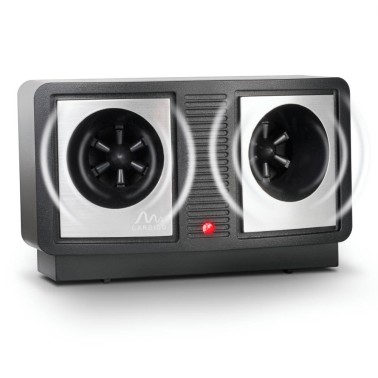
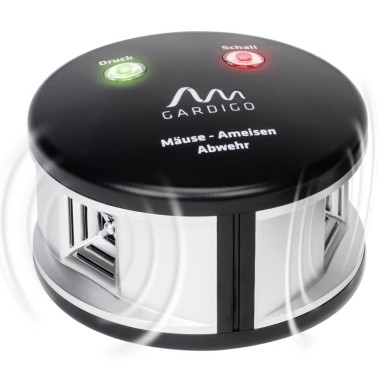
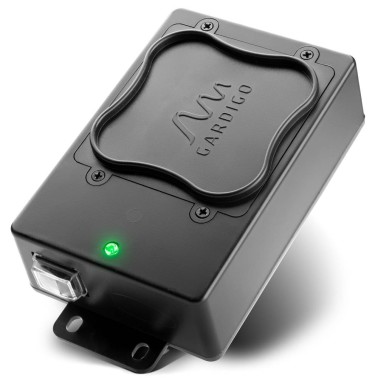
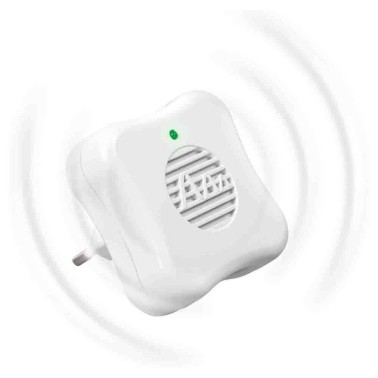
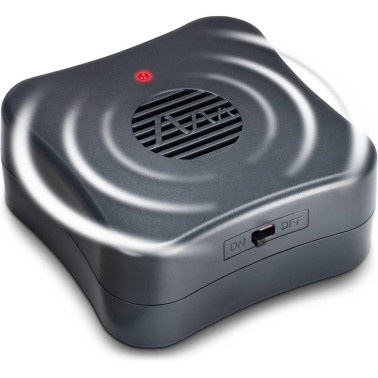
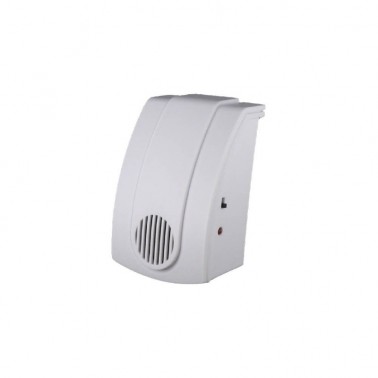
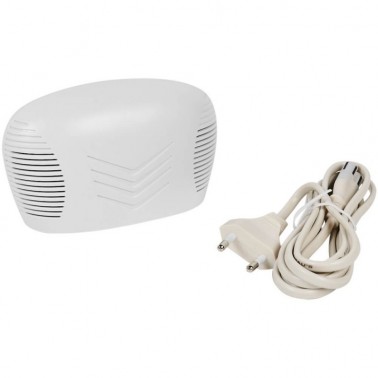
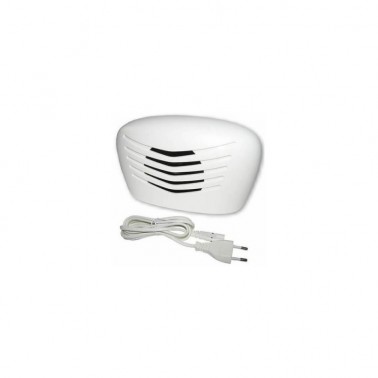
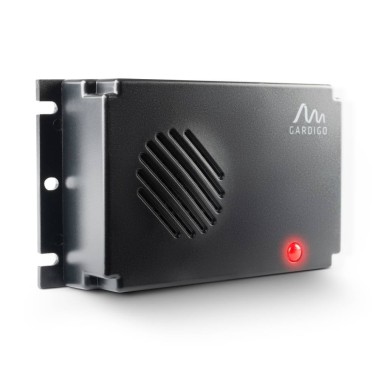
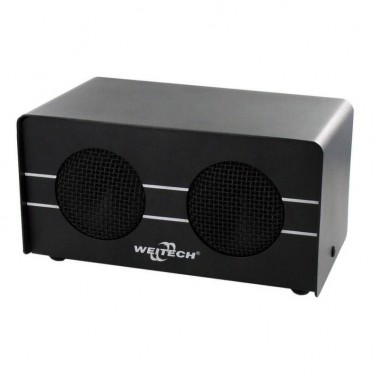
- Ultrasonic and electronic devices: they emit changing high-frequency signals that create an uncomfortable environment for rodents. They work best in indoor and enclosed spaces, as ultrasound does not pass through walls, partitions or solid obstacles. It is important to be realistic: they help deter rodents, but rats and mice can get used to them, so they work best when combined with prevention and, if rodents are already present, with traps. Options include the Rodent & Insect Repeller - WK0600, with sound and ultrasound and coverage of up to 325 m², the Mouse Repellent Duo, with ultrasound and electromagnetic waves, and small plug-in models. You can see more options in ultrasonic rat repellents.
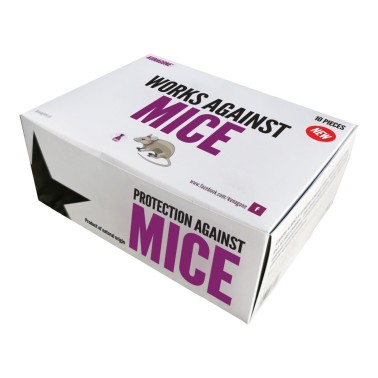
- Smell-based repellents: they create an olfactory barrier that rodents find unpleasant and can help reinforce specific points. Kunagone Mice, made from natural ingredients, is useful in enclosed spaces, passage areas, cupboards, garages or places where you want to prevent rodents from sheltering. You can see more options in repellents.
Controlling rats and mice without poison
When rodents are already inside, it is usually necessary to act directly on the rodents that are present. Our traps work without poisons or rodenticides, but they do not all work in the same way: some capture the animal alive, while others eliminate it using a mechanical or electric system. There are three main approaches:
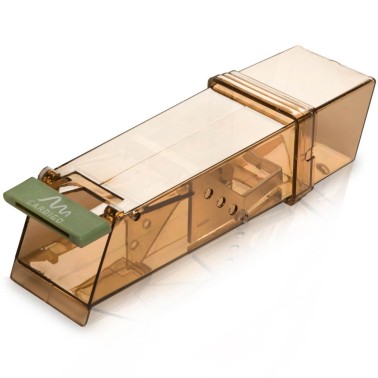
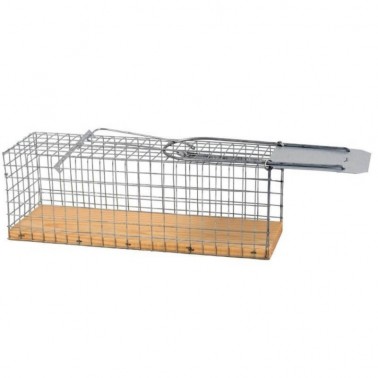
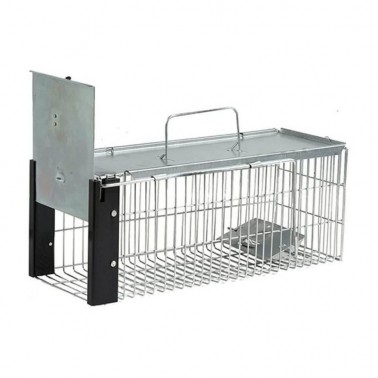
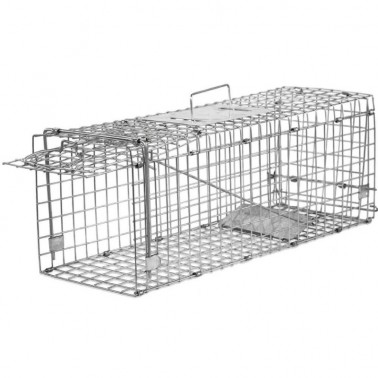
- Live capture cages: the animal enters attracted by bait and a mechanism closes the door, leaving it alive so it can be managed in a controlled way. It is important to check the applicable regulations and avoid irresponsible releases. Options include the Capture Cage for Mice, the Rats Cage, robust and ideal for large rats, the Multi Catch Mice Trap Cage, which allows several mice to be captured at once, and the Mimetic-Mhouse for intensive use.
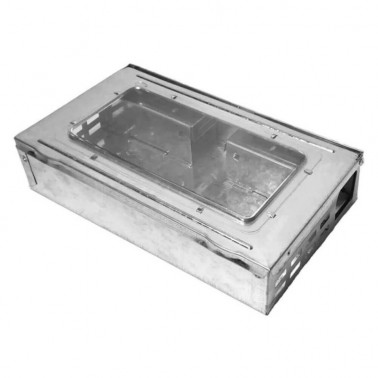
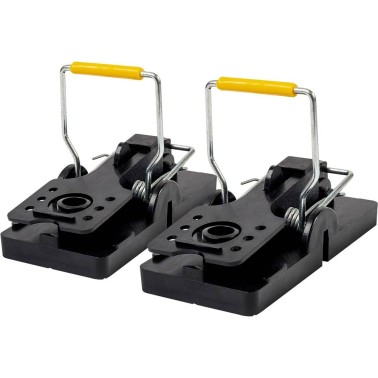
- Reusable mechanical traps: options such as the Live Mouse Trap or the Mouse Trap - Set of 2 are reusable and easy to place in areas where rodent activity has been detected.
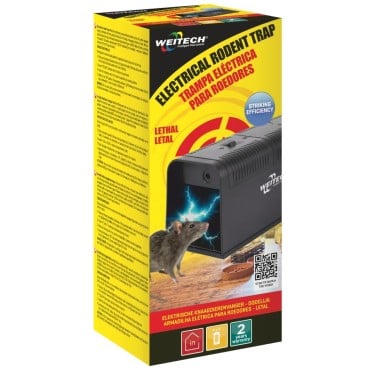
- Electric trap for rats and mice: the Electric Rat & Mouse Trap – Weitech WK0650 is designed for indoor use and eliminates the rodent with a 5000 V electric shock, without using poisons or rodenticides. It runs on 4 C/LR14 batteries and has an indicator light that shows when a catch has occurred. It must be installed and handled according to the manufacturer's instructions and kept out of reach of children and pets.
You can find the full range in rat traps and mouse traps. To improve effectiveness, place traps in rodent passage areas, along walls, in corners, near skirting boards or wherever you have seen droppings, marks or activity. For traps that use bait, strong-smelling foods such as chocolate, peanut butter, nuts or fatty foods usually work better than the classic cheese. Always follow the specific instructions for each model.
Rats and mice in the car
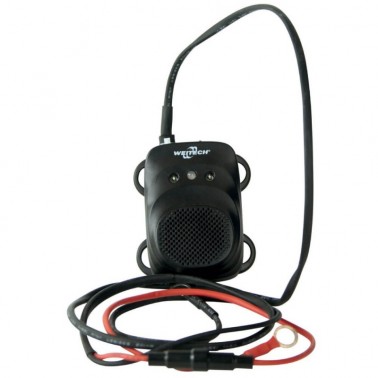
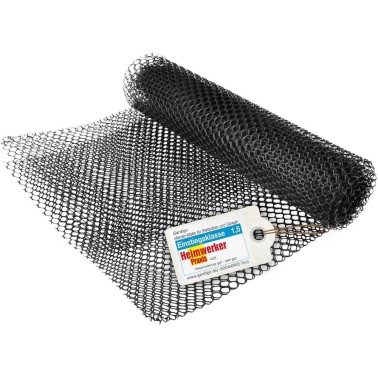
An increasingly common problem is that rats, mice and other small animals take shelter in the car engine and gnaw cables, ducts and insulation, causing expensive repairs. To protect the vehicle, you can use the Car Animal Repeller, the Animal Repellent Mesh, and smell-based repellents for enclosed spaces. It is also useful to inspect the engine compartment regularly.
If the car is parked outside, try to park in well-lit and busy areas. If it is kept in a garage, check whether there is food, rubbish, pet food, shelter or gaps that may be attracting rodents.
Prevention and why we avoid poison
No method works properly if access to the problem is not reduced. The foundation is prevention: seal holes and cracks where rodents can enter, avoid leaving food or rubbish accessible, store pet food in closed containers and maintain hygiene in pantries, storage rooms, chicken coops, warehouses and garages.
Rats and mice can enter through very small gaps, so it is worth checking poorly fitted doors, ventilation points, downpipes, false ceilings, garages, joints, cracks and cable or pipe passages. If repellers or traps are used but rodents still have food, shelter and free access, the problem can return.
Regarding poison: although authorised rodenticides exist for certain uses, their application involves risks if not carried out correctly. There may be accidental poisoning of children, pets or non-target wildlife, as well as secondary poisoning in animals that eat poisoned rodents. It can also happen that the rodent dies in an inaccessible place, causing bad odours. For this reason, at BirdGard Iberia we prioritise poison-free solutions: deterrence, prevention and control using different types of traps.
Frequently asked questions about rats and mice
What sounds do rats and mice hate?
They are bothered by high-frequency sounds, known as ultrasound, which people normally cannot hear. Electronic repellers emit these frequencies in a changing way so that the rodent perceives the area as uncomfortable. They work best indoors and should be combined with prevention, cleaning and sealing access points.
Do ultrasonic devices really work on rats?
They help, but they are not a magic solution. Rats and mice are sensitive to ultrasound, so a well-placed device can make an area uncomfortable for them, especially in enclosed spaces. However, they can get used to it over time, so it is advisable to combine ultrasound with prevention and, when rodents are already present, with traps. You should not expect ultrasound alone to solve a large infestation.
Is there a frequency that kills rats?
No. Ultrasound deters; it does not kill. No domestic-use frequency eliminates rats. Its function is to make the place uncomfortable and help them avoid the area, not to kill them. If you need to act directly on rodents that are already present, there are different types of traps, including live-capture and electric traps.
How do I get rid of rats and mice without poison?
Combine three measures: prevention, control and deterrence. First, seal access points and remove food or shelter. Then, if rodents are already inside, use a trap suited to the problem: live-capture, mechanical or electric. As support, ultrasonic repellers and smell-based repellents can help make the area less attractive. This approach allows you to act without relying on poisons or rodenticides.
How does an electric rat and mouse trap work?
The trap uses bait to attract the rodent into the device. When the rat or mouse comes into contact with the metal plates, the device delivers an electric shock that eliminates the animal. The Electric Rat & Mouse Trap – Weitech WK0650 generates a 5000 V electric shock, runs on 4 C/LR14 batteries and has an indicator light that shows when a catch has occurred. It is designed exclusively for indoor use and must be kept out of reach of children and pets.
How do I prevent rats from entering the car engine?
You can use a specific car animal repeller, a repellent for the engine compartment or animal repellent mesh, as well as inspecting the engine regularly. It also helps to park in well-lit areas and avoid food, rubbish or shelter near the vehicle. It is important to act early, because cable damage can be expensive.
Where do rats and mice get in?
They can enter through small holes, cracks, poorly fitted doors, ventilation points, downpipes, false ceilings, garages, cable or pipe passages and areas with food or shelter. That is why, in addition to using traps or repellers, it is essential to inspect the house, warehouse, storage room or chicken coop and close the entry points.
Rat and mouse solutions at BirdGard Iberia
At BirdGard Iberia, you will find a complete poison-free range to repel and control rats and mice: ultrasound, repellents, live capture traps, reusable mechanical traps, electric rodent traps and car protection solutions. If you are not sure what you need for your case, contact us and we will advise you free of charge.

 28 reviews