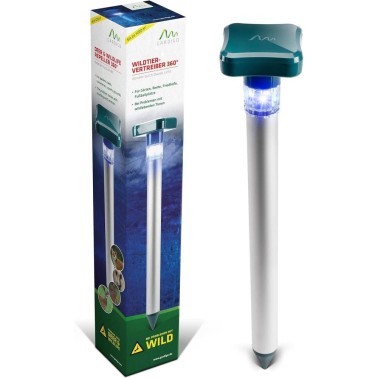
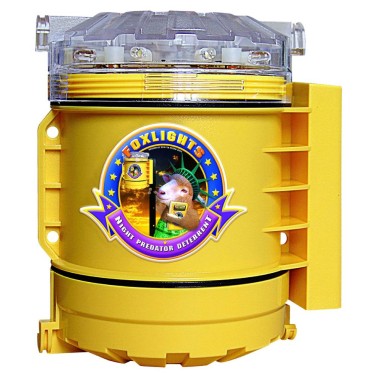
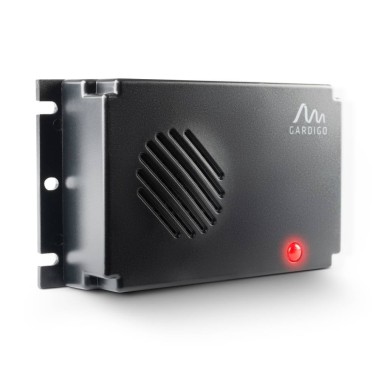
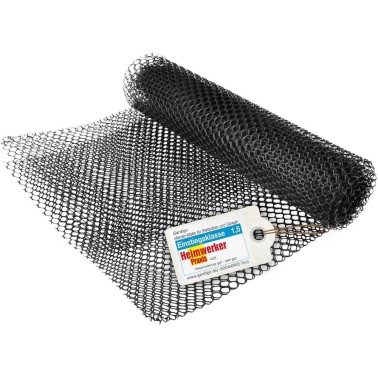
Each animal creates a different problem and responds better to some solutions than to others. To help you go straight to what you need, we have organised our animal repellers by species. Choose the animal affecting your area and access the page with the recommended solutions for that case. If you prefer to search by method, you can do so in animal repellers by type of product.
Which solution usually fits each animal?
This table helps you get oriented quickly before entering the specific page for each species:
| Animal |
Common problem |
Methods that usually fit |
| Cats |
Gardens, terraces, cars, ponds, passage areas or marking. |
Ultrasound, motion-activated water, repellents and physical barriers. |
| Rats and mice |
Homes, garages, warehouses, false ceilings, storage areas or vehicles. |
Ultrasound, repellents, traps and access-prevention measures. |
| Wild boars |
Crops, vegetable gardens, properties, gardens and green areas. |
Sonic repellers, deterrent lights, repellents and physical barriers. |
| Rabbits |
Vegetable gardens, crops, gardens, lawns and young plantations. |
Repellents, sounds, ultrasound, physical barriers and capture traps. |
| Moles and voles |
Mounds, galleries and damage to lawns, gardens or soil. |
Vibration-based deterrents and specific solutions for underground animals. |
| Deer, roe deer and similar species |
Crops, gardens, properties, rural areas and passage points. |
Sound deterrents, deterrent lights, repellents and preventive measures. |
| Wolves and foxes |
Livestock, chicken coops, domestic animals and rural properties. |
Deterrent lights, access prevention and perimeter protection. |
| Reptiles |
Snakes, grass snakes or lizards in gardens, plots or outdoor areas. |
Specific repellents, reduction of shelter areas and prevention in places with stones, vegetation or humidity. |
| Squirrels |
Roofs, gardens, feeders, trees, attics or access areas. |
Ultrasound, repellents, barriers and closing access points. |
| Martens, weasels and mustelids |
Car engines, attics, roofs, garages and indoor shelters. |
Ultrasound, smell-based repellents and measures to prevent access. |
| Dogs |
Marking, dirt, access to specific areas or stray dogs. |
Repellents, portable deterrents, ultrasound and water-based systems. |
Wildlife and field animals
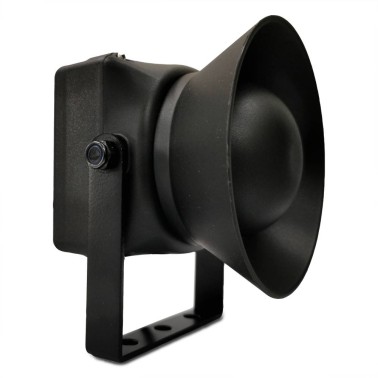
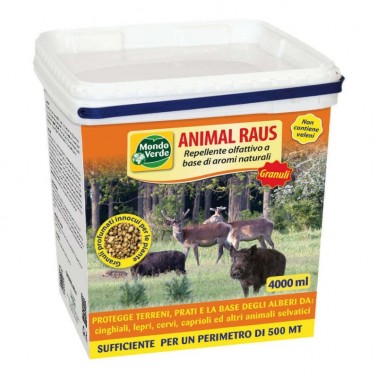
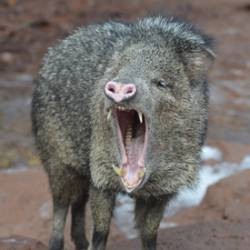
- Wild boars: protection of crops, vegetable gardens, gardens and properties. In large areas, sonic repellers, deterrent lights and, depending on the case, repellents or physical barriers usually fit best.
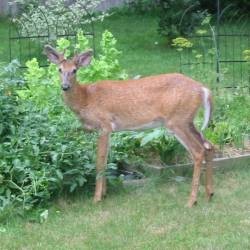
- Deer, roe deer and similar species: to reduce damage to crops, gardens, properties or passage areas, using sound deterrents, deterrent lights, repellents and preventive measures.
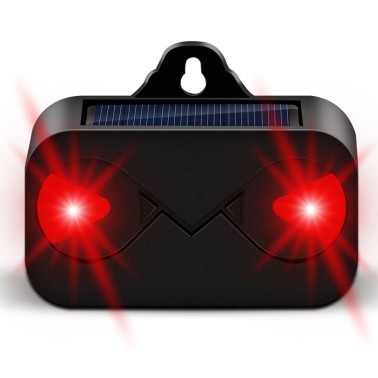
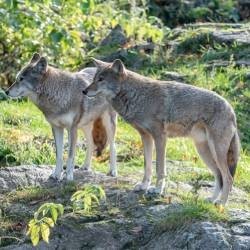
- Wolves and foxes: protection of livestock, chicken coops and domestic animals. Flashing lights can help simulate human presence and reinforce perimeter protection.
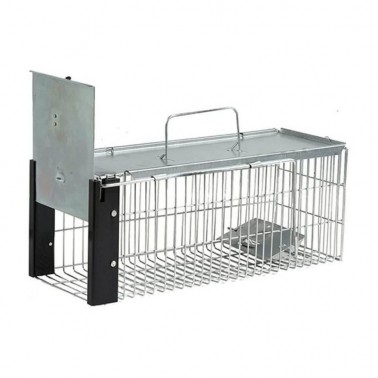
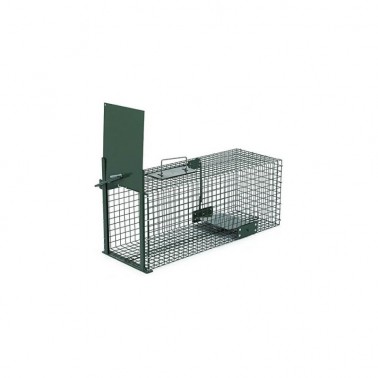
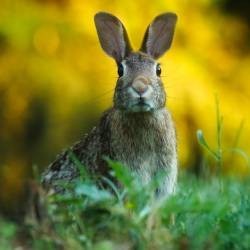
- Rabbits: for vegetable gardens, gardens and crops, combining deterrence, repellents, physical barriers and, when necessary, responsibly used capture traps.
Rodents and underground animals
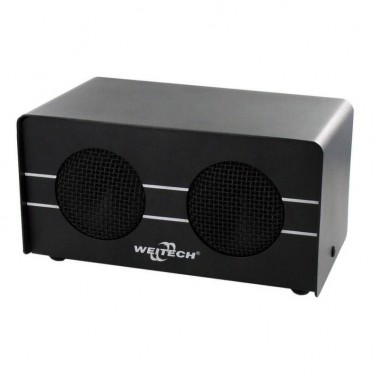
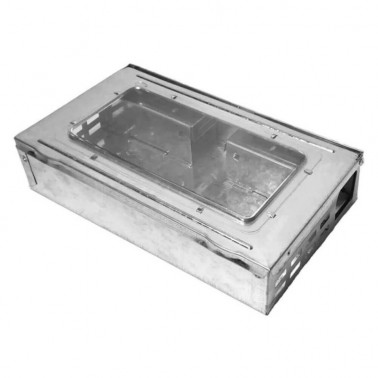
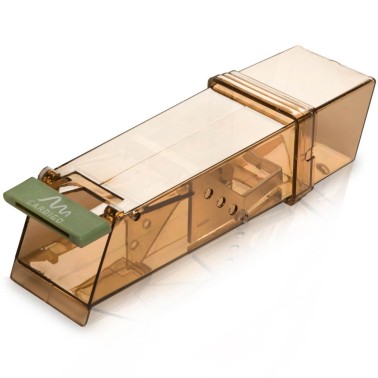
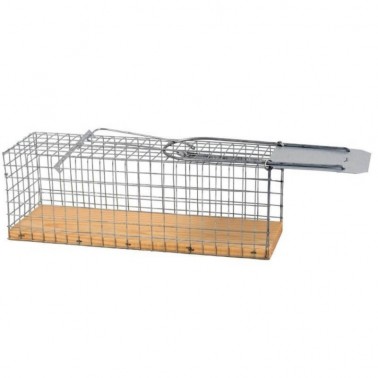
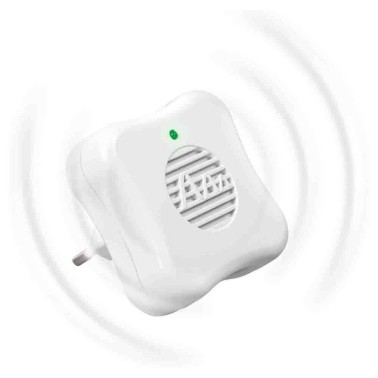
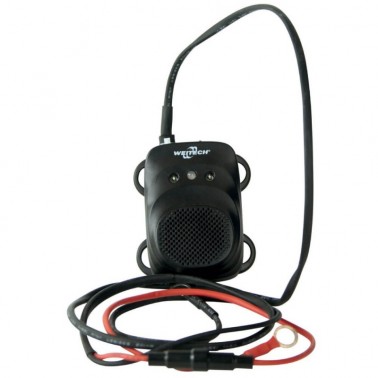
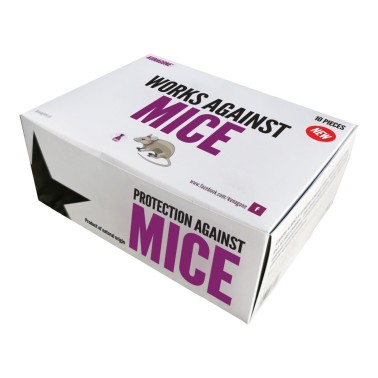
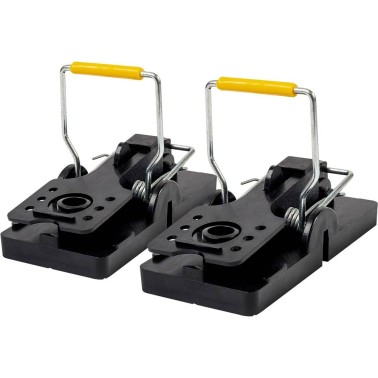
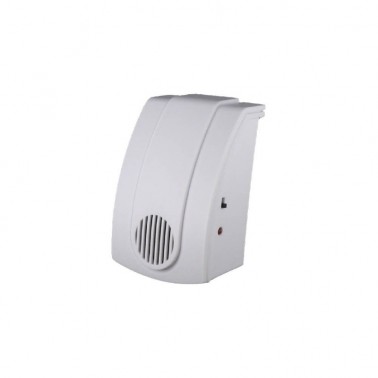
- Rats and mice: in homes, warehouses, garages, false ceilings or vehicles, using ultrasound, repellents, traps and preventive measures to reduce access and shelter.
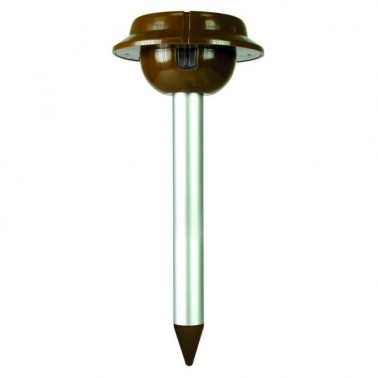
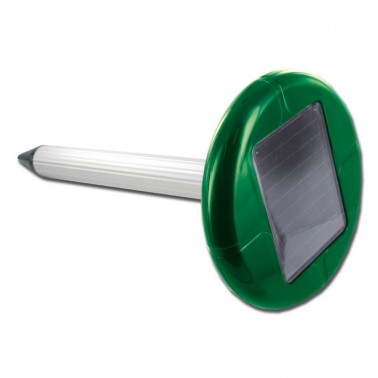
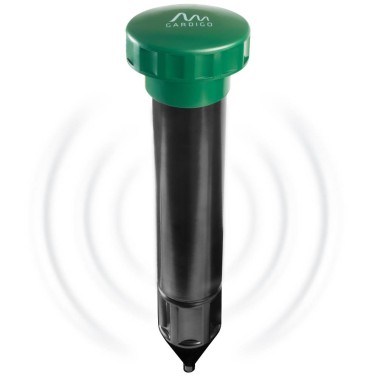
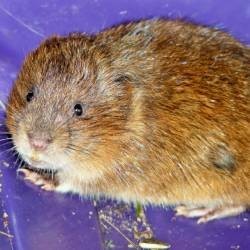
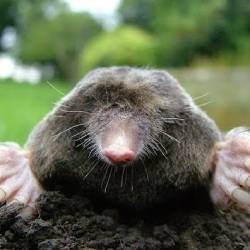
- Moles and voles: for lawns, gardens and soil areas, where vibration-based devices and specific solutions for underground animals are usually the most suitable.
Small animals in roofs, cars and attics
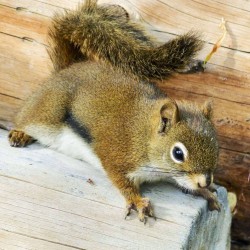
- Squirrels: when they access roofs, gardens, feeders, attics or passage areas, using deterrent solutions, repellents and barriers.
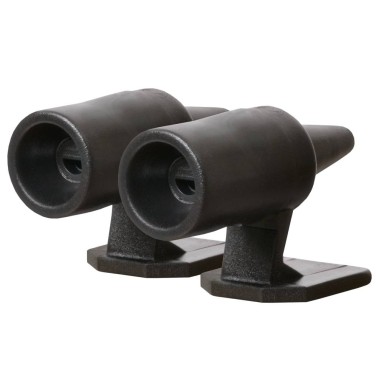
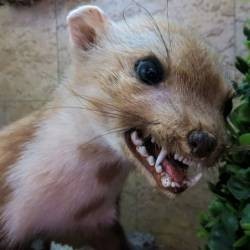
- Martens, weasels and mustelids: especially useful to control in car engines, garages, attics or roofs, using ultrasound, smell-based repellents and closing access points.
Domestic animals
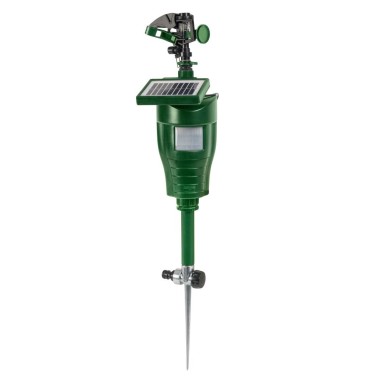
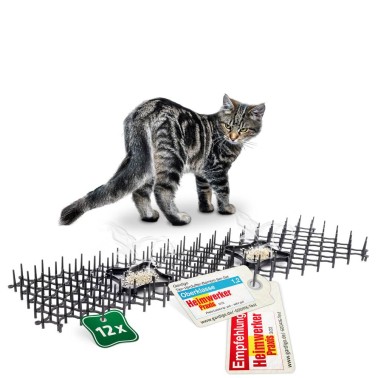
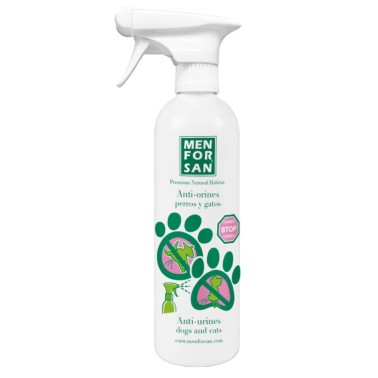
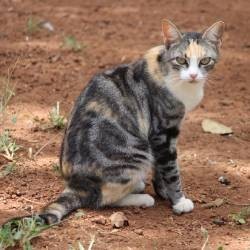
- Cats: for gardens, cars, terraces, ponds and passage areas, using ultrasound, water sprinklers, repellents and physical barriers such as spikes.
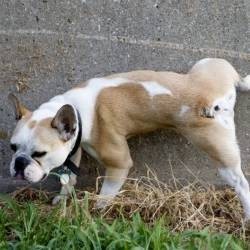
- Dogs: for stray dogs, marking or access to specific areas, using portable deterrents, repellents, ultrasound or water-based systems.
Other species
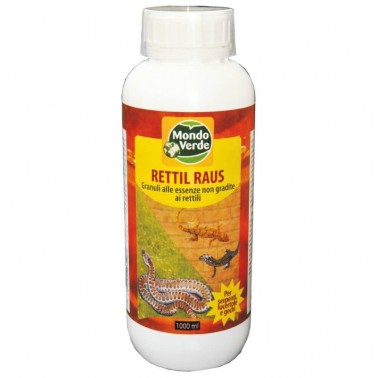
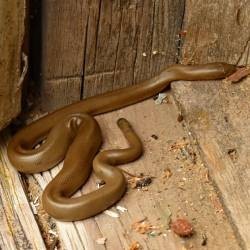
- Reptiles: snakes, grass snakes and lizards. In these cases, it is usually important to combine specific repellents with the reduction of shelter areas, stones, dense vegetation or damp areas.
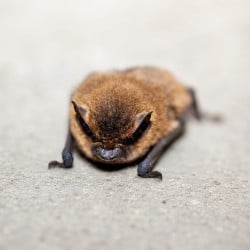
- Bats: bats are a protected species. The approach must always be preventive and non-harmful, avoiding any intervention on colonies, young bats or shelters without first consulting the competent authority.
Frequently asked questions
How do I know which animal is causing the problem?
Often the animal is not seen, but it leaves clues: the type of droppings, noises and the time they are heard, damage to crops, cables or insulation, footprints, burrows or food remains. Correctly identifying the species is the first step in choosing the right solution, because each animal responds better to different methods. If you are not sure, describe the signs to us and we will help you get oriented.
Can I use the same device for several animals?
It depends on the type of device. Some are multi-purpose, such as many ultrasonic devices, water sprinklers, repellents or configurable sound systems. Others are more specific: a vibration-based deterrent is designed for underground animals, and a physical barrier only protects the point where it is installed. If you have more than one problem at the same time, let us know and we will guide you towards the option that best covers them.
Are there animals that I cannot freely deter because they are protected?
Yes. Some species are protected by law, such as bats and certain birds. In these cases, only prevention and non-harmful deterrence should be considered, and acting on a colony, nest or shelter may require prior authorisation from the competent authority, which is the customer’s responsibility to request. This information is for guidance only and does not constitute legal advice; if in doubt, consult the environmental authority in your area.
Can animal repellers affect my pets or other animals?
They are designed to deter the target animal without harming it. Even so, it is important to consider the method: dogs and cats can perceive some high frequencies from ultrasonic devices, so it is worth assessing where they are placed if there are pets nearby. Water-based solutions, repellents, physical barriers or visual systems may be more suitable in certain cases. If you have pets, let us know and we will recommend the most compatible option.
What should I do if I am not sure about the species?
If you are not sure which animal is causing the problem, it is best not to choose a product based only on intuition. The best approach is to review the signs: droppings, footprints, noises, damage, activity time and access points. With that information, it is much easier to identify the species and avoid buying a solution that is not suitable.
Can’t find the animal you are dealing with or are you not sure which option is best for your case? Contact us and we will advise you free of charge.

 18 reviews